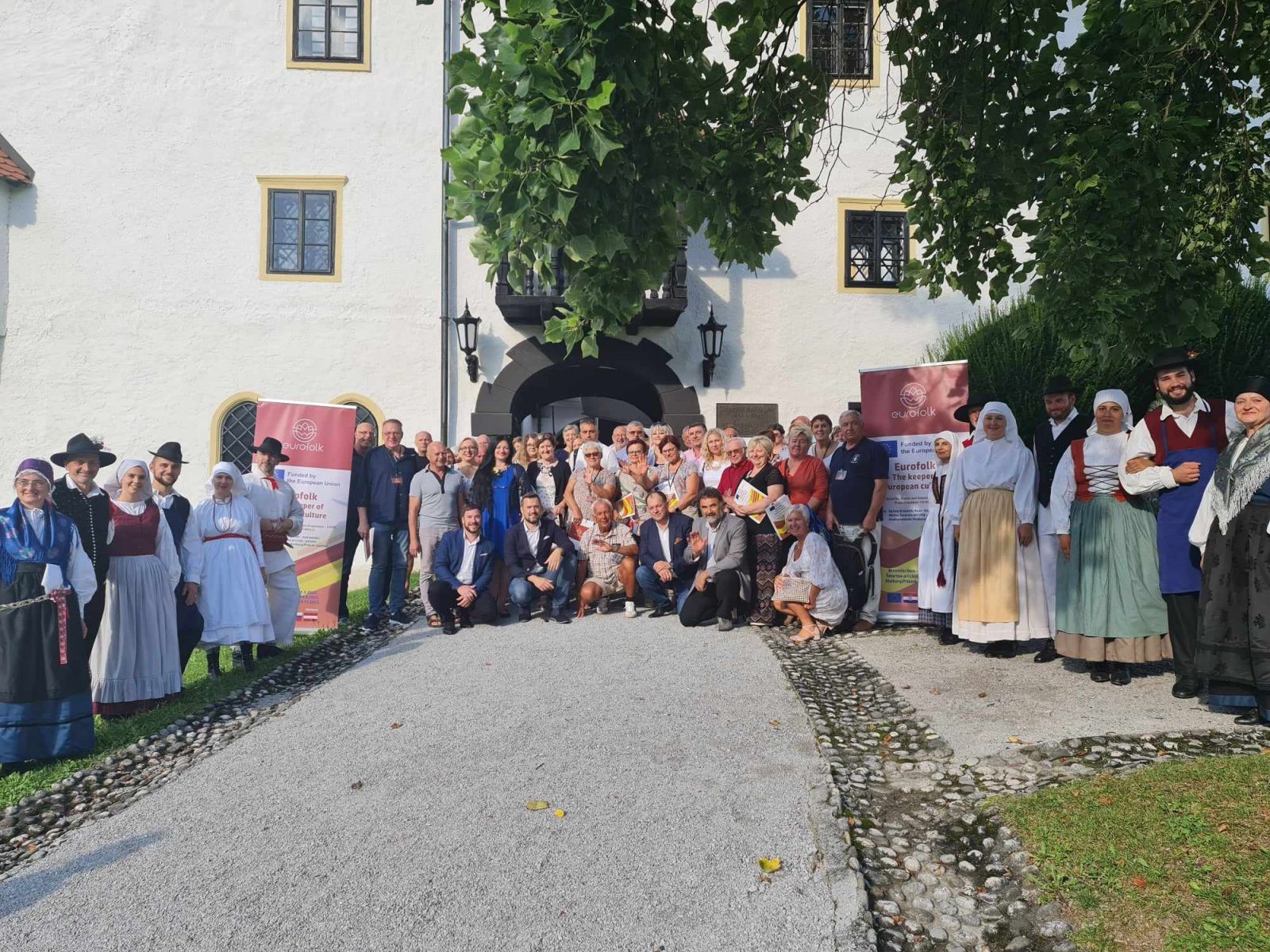
The Eurofolk project – a bridge between cultures
The purpose of the partner event of the Eurofolk project is to unite the hearts and souls of the inhabitants of these countries. With a central emphasis on ‘developing awareness of the wealth of culture and language in Europe’, promoting understanding, respecting and preserving indigenous folklore, clothes, customs and history, each of which contributes to European values. The brilliant nurturing of tradition, documentation of cultural heritage and association through exhibitions and photographs enables the country to intertwine in an immense love for culture. The common goal of the project is to transfer heritage into the future and protect valuable cultural wealth.
Clothes – Identity and Connecting
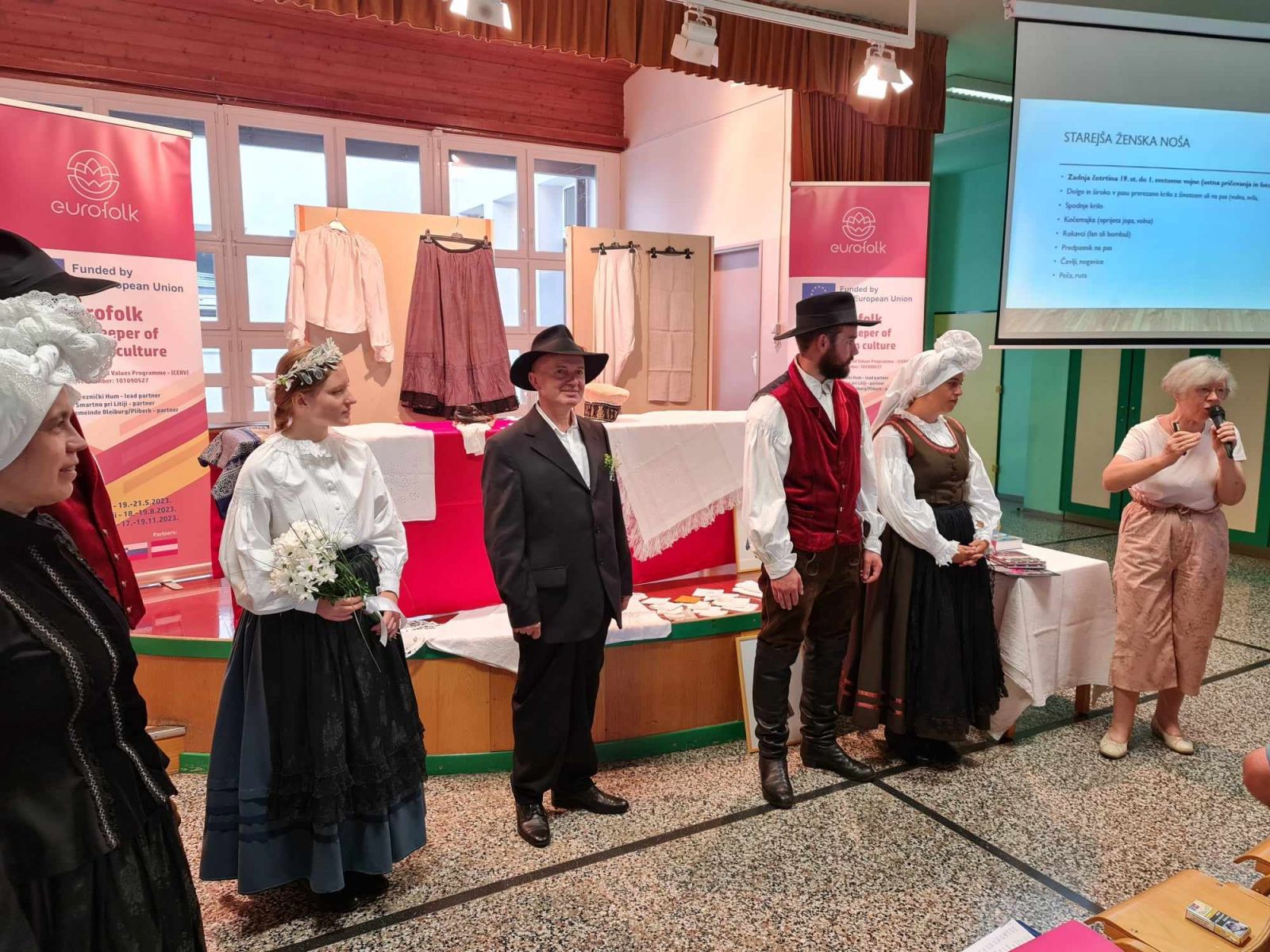
The recognizable thread of the project is the presentation of the clothing image of the landscape or the host country, which is reflected mainly through national costumes. Each of the partners has tasks to present and document as many different national costumes as possible. At the second project meeting in Šmartne pri Litija, more than 20 diverse men’s and women’s costumes and national costumes of Slovenia were proudly presented. Most of the costumes were presented by the dancers of KUD FS Javorje. GA. Through the lecture, Ida Dolšek presented the costume of the Litija hills and the ‘spinerbala’ of the once gala dance of the spinners in Litija.
Highlights recorded in the lens
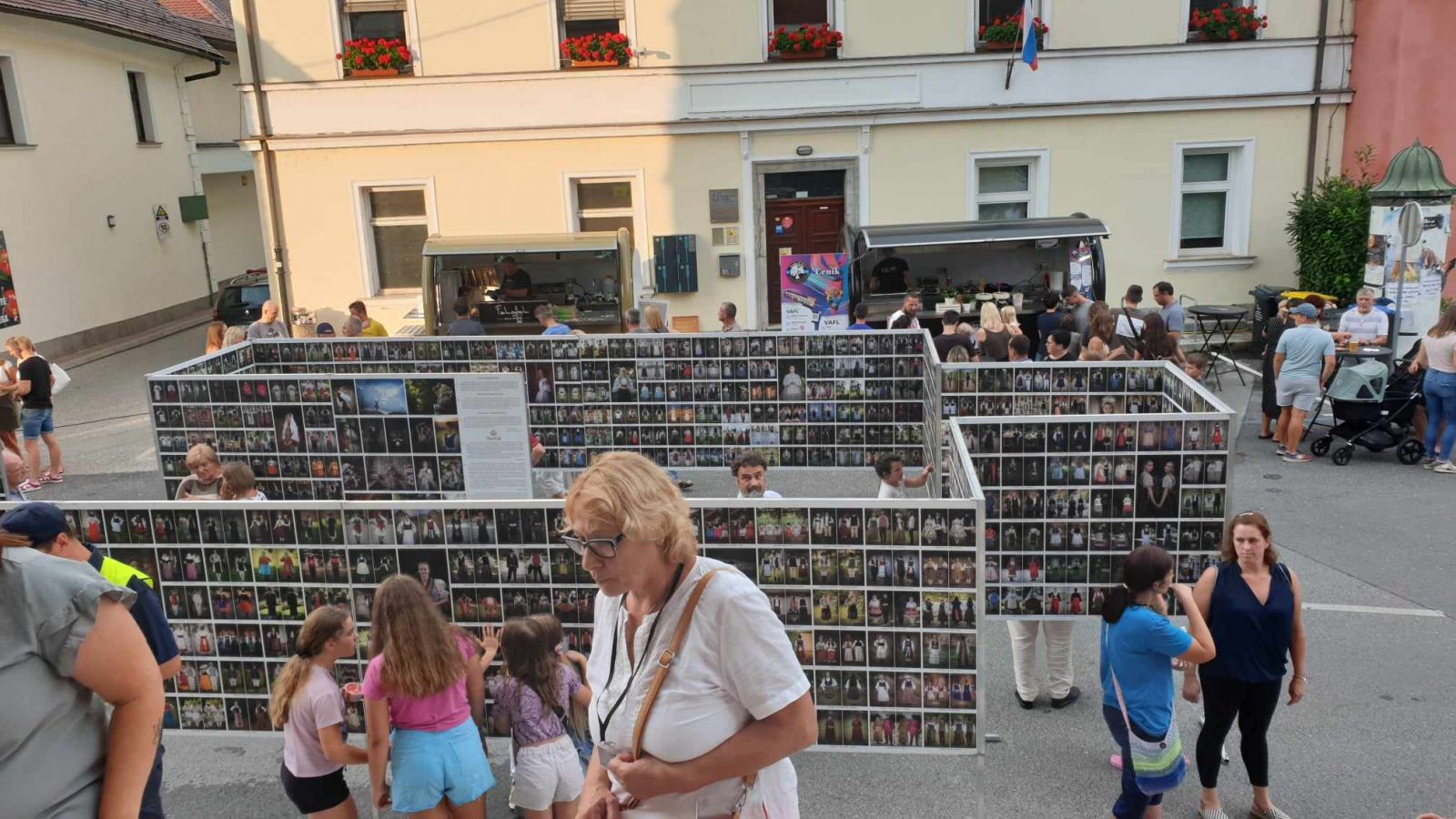
The national costumes came to life with the help of the photographic lens of the renowned artist David Boton from Romania. As the author of the extraordinary collection of more than 1,000 different costumes from all over the world, he drew the photographed participants in national costumes into history and a moment that will last forever.
With this meeting, we touched hearts and created an invaluable bond between cultures. The Eurofolk project became a symbol of integration and lasting respect for cultural treasures that connect the past, present and future.
The project is financed by the funds of the European Union. Expressed views and opinions are exclusively the author’s and do not necessarily reflect the views and opinions of the European Union or the European Executive Agency for Education and Culture. Neither the European Union nor the authority that grants the aid can be responsible for them.