
A great connoisseur of nature’s legality and a true encyclopedia of vegetable production, Mrs. Miša Pušenjak emphasized to the participants of the lecture that we should not compete with our neighbors ‘who will sell some produce first’ and that we should take care of the soil itself and wait for the right temperatures, because the crops in the cold soil do not bear fruit.
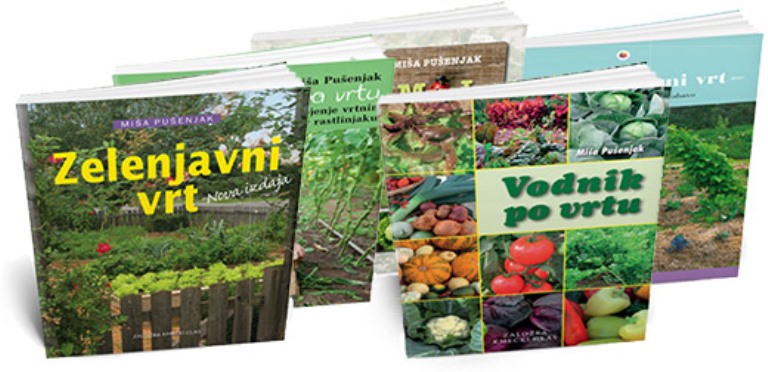
On Thursday, March 2, 2017, the Society for Rural Development Laz organized a lecture »back to natural vegetable production”. instructor Miša Pušenjak is a real treasure trove of knowledge, as it has 25 years of experience in the field of vegetable production and is a specialist in vegetable growing and ornamental plants. Pušenjakova is the author of several books, including the book Zelenjavni vrt, my eco garden, Guide to the garden and Greenhouses in the garden.
In the lecture, we touched on how to naturally grow domestic vegetables and proper cultivation without mineral fertilizers, chemical agents for plant protection and the use of the power of nature. We are all aware of how important crops of domestic origin are, but consumerism and a fast lifestyle do not allow us to do so. GA. At the same time, Pušenjak emphasizes that we should not compete with our neighbors ‘who will plant a crop first’ and that we should take care of the soil only and wait for the right temperatures, because the crops in the cold soil do not bear fruit. Our beliefs that the harvest or seed is then to blame are wrong – although sometimes this also happens.
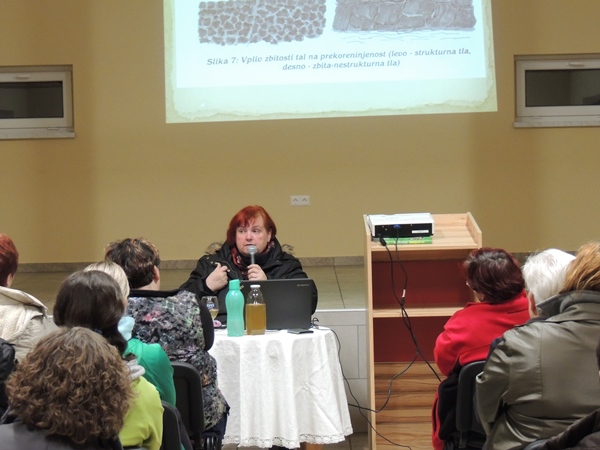
Miša Pušenjak points out that it is very important to take care of in early spring good root system, which needs phosphorus, potassium and consequently enough air. Plants that will take root well will later be stronger, more resistant and richer in healthy fruits at the time of maturity.
It is also very important rotation, because it prevents soil fatigue and the spread of diseases. With proper crop rotation, the use of organic fertilizers is also better and ventilation is better.
There was also talk about the good and bad neighbors in the garden and the correct arrangement that prevents possible diseases. It is important to watch out for plant changes within botanical families, which we divide into:
1.) Bumes or butterflies – beans, peas, soybeans…
2.) Crusads – cauliflower, cabbage, kale…
3.) Chudlers – tomatoes, potatoes, peppers…
4.) Kobulnica – carrot, parsley, fennel…
5.) Lobodovce – spinach, Swiss chard, beetroot…
6.) Baskets – lettuce, radicchio, endive, dandelion…
7.) Pumpkins – watermelon, melon, cucumbers…
8.) Lilies – onions, garlic, chives…
When rotating, it is good to know that in the year of crop rotation, plants should not be planted or sown within the botanical group to which the already existing plant belongs on the bed.
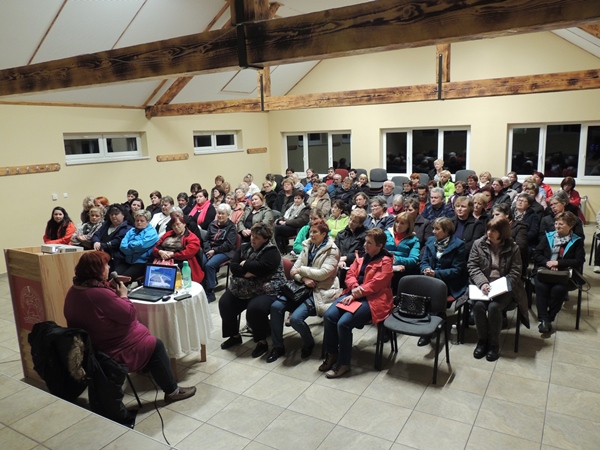
The lecture, organized by the LAZ association, was attended by over 80 participants.
The view of gardening has changed a lot in recent years. Gardening and especially the garden as a place have taken on new dimensions – the garden is a place for socializing, creating or meditating. Let’s go back to nature and listen to it. GA. Pušenjak concluded the lecture with the sentence: Let’s listen to the laws of Mother Nature, that’s the only way we’ll grow healthy vegetables that we will enjoy, both when watching and eating.